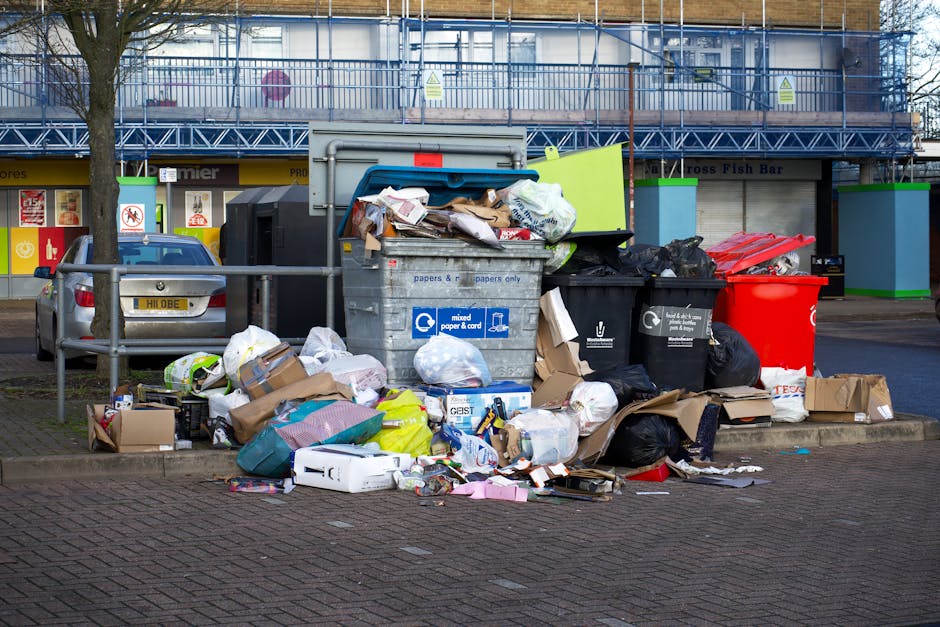
Bulky rubbish pickup guide Porchester Square Paddington
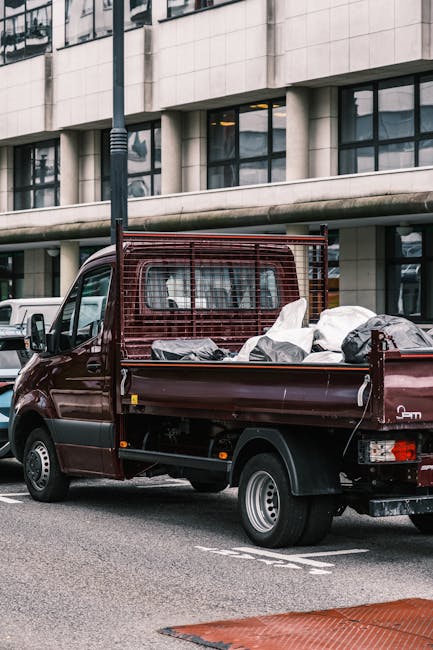
If you are dealing with an awkward sofa, a broken wardrobe, or a pile of old items that will not fit in the car, this Bulky rubbish pickup guide Porchester Square Paddington is for you. In a place like Porchester Square, where space is tight and access can be a bit fiddly, getting rid of large waste is rarely as simple as leaving a bag by the kerb. You need the right method, the right timing, and a plan that actually works on the day.
This guide breaks down what bulky rubbish pickup means, how it works in practice, which disposal options make sense, and what to watch out for if you want a clean, hassle-free result. We will also cover permits, access issues, recycling, and the small details that people often miss until it is too late. Truth be told, those small details are usually where the headache starts.
Why bulky rubbish pickup matters in Porchester Square Paddington
Porchester Square sits in a part of Paddington where streets, parking, and building access can make waste removal a little more complicated than it first seems. Bulky rubbish is not just "more rubbish"; it is the kind that takes up floor space, blocks hallways, or becomes too awkward to move without help. A mattress leaning near the door, a damaged fridge in a basement flat, or a stack of old office desks can quickly turn into a safety issue.
That is why a sensible pickup plan matters. It keeps entrances clear, reduces lifting risk, and helps you choose the right disposal route instead of overpaying or causing a delay. For landlords, residents, and local businesses, it can also avoid neighbour complaints and awkward last-minute scrambling. And if you live in a building with shared access, you already know how quickly "I will deal with it tomorrow" can become a nuisance for everyone.
There is also the recycling side. A good bulky waste service does more than just remove items. It separates reusable and recyclable materials where possible, which is usually the cleaner, more responsible way to handle old furniture, appliances, and household clutter. If sustainability matters to you, it is worth checking the provider's approach to recycling and sustainability before you book.
Practical takeaway: in compact central London locations, bulky rubbish pickup is as much about access and timing as it is about disposal. Get those two things right and everything else becomes easier.
How bulky rubbish pickup works
At a simple level, bulky rubbish pickup is the collection and removal of large household or commercial items that are too heavy, too awkward, or too voluminous for normal waste collections. That might include furniture, white goods, old carpets, fittings, or general clearance items. Some people use a man and van style collection. Others prefer a skip or grab service depending on the volume and the site conditions.
The process usually follows a few stages. First, you identify what needs to go. Next, you decide whether the waste is mixed, separated, recyclable, or restricted. After that, you choose the best removal method based on access, amount, and urgency. In some cases, you may also need a permit if a container is going on the road, so it is worth checking skip hire permits or the related skip permits information if your setup is likely to be street-based.
There are three common routes people use in Paddington:
- Bulky waste collection or rubbish removal for smaller clearances and mixed items.
- Skip hire for ongoing projects, loft clear-outs, and larger mixed loads.
- Grab hire or wait and load where access is restricted or you cannot leave a container in place.
If you are unsure which option fits best, the service pages can help you compare them. For example, rubbish removal is usually the easiest route for one-off bulky collections, while domestic skip hire is often better for a fuller home clear-out. If speed is critical, same-day skip hire can be useful, assuming access and availability line up.
One thing people overlook? The pickup crew still needs room to work. A basement corridor, narrow staircase, or courtyard with limited turning space can change the whole plan. That is normal in central London. It just means planning matters more than usual.
Key benefits and practical advantages
Using a proper bulky rubbish pickup service in Porchester Square Paddington can save time, reduce stress, and make the whole job feel far more manageable. That sounds obvious, but the real benefit is not just convenience. It is avoiding the domino effect that happens when heavy waste sits around for too long.
- Safer lifting and movement: less risk of injury, scratches, or damage to walls and floors.
- Faster clearances: one scheduled visit is usually quicker than multiple trips.
- Better use of space: especially useful in flats, shared entrances, and busy commercial premises.
- Cleaner presentation: ideal if you are preparing a property for sale, rental, or refurbishment.
- More responsible disposal: recyclable material can be separated more effectively when the service is set up properly.
For homeowners, the biggest advantage is simple relief. You get your hallway back, your spare room stops looking like a storage unit, and the job gets finished. For businesses, the value is often about continuity. An office clearance or retail reset cannot drag on for three days because a pile of old chairs is blocking the rear access. That is where a structured service such as office clearance becomes especially practical.
There is also a cost-control angle. The right method helps you avoid ordering too much capacity, paying for repeat visits, or arranging a service that cannot handle your items properly. A bit of planning saves money. Not always exciting, but very real.
Who this is for and when it makes sense
This guide is useful for quite a wide mix of people, because bulky waste problems are rarely glamorous and almost never convenient.
Homeowners and tenants
If you are clearing out an old sofa, replacing appliances, or finally sorting the loft, a local pickup service can keep the job moving. Tenants especially benefit from fast removal when they are trying to leave a property in tidy condition.
Landlords and letting agents
End-of-tenancy clearances often involve a strange mix of furniture, broken bits, and items left behind by previous occupants. A dependable pickup makes it easier to turn a property around quickly.
Businesses and offices
Offices in Paddington often need desks, cabinets, IT hardware, shredding, or general clear-out support. If that sounds familiar, commercial skip hire or confidential shredding may also be relevant depending on what needs to go.
Renovators and tradespeople
Bulky waste often appears alongside strip-outs, refurbishments, or lighter building projects. In those cases, a more trade-focused service such as builders skip hire or builders waste removal can be a better match than a general domestic collection.
When does it make sense? Usually when the waste is too large for normal bins, too heavy for safe DIY transport, or too awkward to store for long. If you are standing in the room asking yourself, "How on earth am I getting that out?", that is generally your sign.
Step-by-step guidance
Here is a practical way to approach bulky rubbish pickup without overcomplicating it.
- List everything you want removed. Be specific. A sofa is not the same as a sofa bed, and a wardrobe with mirrors may need different handling.
- Separate what can be reused, recycled, or kept. It is easier to sort before collection day than during it.
- Check for restricted or hazardous items. Some materials need specialist handling, so do not assume everything can go in one load. If in doubt, review what can go in a skip and, for anything risky, look at hazardous waste disposal.
- Measure access points. Doorways, stairwells, lift sizes, and parking restrictions can all change the plan.
- Choose the right service type. For a one-off load, man and van or rubbish removal may be the simplest. For larger volumes, a skip or grab lorry may be better.
- Book at the right time. If the building is busy, early morning or a quieter slot is often easier. That little bit of timing can save a lot of lifting around people.
- Prepare the items before pickup. Move them to a clear, accessible point if you can safely do so.
- Confirm payment, access, and restrictions. Keep it simple. No surprises on the day is the goal.
If your waste is mostly outdoor or clearance material, a different route may be more efficient. For example, garden waste removal works better for green material, while house clearance is better for full property clear-outs where bulky pieces are only part of the picture.
Small note from experience: the easiest jobs are the ones where the customer has already done a quick sort before the team arrives. It sounds basic. It really does make a difference.
Expert tips for better results
Once you have done a few clearances, a pattern starts to emerge. The jobs that go smoothly usually share the same habits.
- Keep the load consistent: mixed waste is manageable, but if the pile includes clean recyclables, broken furniture, and something potentially hazardous, separate what you can.
- Think about lifting order: move the light but awkward items first, then the heavy ones. That reduces bottlenecks.
- Use the right service for the site: if access is tight, a wait and load skip hire arrangement may suit you better than leaving a container on street.
- Consider security: if the waste is in a visible location or contains documents, enclosed options such as enclosed and lockable skip hire can offer extra peace of mind.
- Ask about recycling routes: it is sensible to check how the material will be handled after collection, especially if you care about responsible disposal.
Another practical tip: if you are clearing a property with awkward stairs, do not wait until everyone is tired. Mid-afternoon on a hot day, even a small sofa can feel like a personal challenge. Better to handle the bulky item first and let the rest follow.
For larger site jobs, the right machinery matters too. A grab-style solution like grab hire services or grab lorry hire can be especially helpful when waste is stacked outdoors and needs lifting from a difficult position.
Common mistakes to avoid
A lot of bulky rubbish pickups fail for very ordinary reasons. Nothing dramatic. Just avoidable stuff that could have been spotted earlier.
- Underestimating volume: what looks like three items can turn into half a room once it is all gathered together.
- Forgetting access issues: parking, loading space, low bridges, shared courtyards, and building rules can all affect collection.
- Mixing restricted waste with general waste: this can create delays or extra handling requirements.
- Leaving it until the last minute: if you need a pickup on a deadline, book early. Same-day options exist, but you should not rely on them if timing is critical.
- Ignoring permit needs: if a container or vehicle will be stationed on the road, check permit requirements first.
- Choosing a method that does not fit the waste: a single sofa does not need the same setup as a full garage clear-out.
The biggest mistake, honestly, is assuming all bulky waste is handled the same way. It is not. A fridge, a mattress, and a stack of office chairs each bring different practical concerns. If you are dealing with appliances, review fridge and appliance removal or, for beds and seating, mattress and sofa disposal.
One small human habit worth changing: do not "hide" the awkward item at the back of the pile and hope it disappears. It never does. It just turns up again on collection day, looking more annoying than before.
Tools, resources and recommendations
You do not need fancy equipment for most pickups, but a few simple tools make life easier. A tape measure is genuinely useful. So are gloves, a torch for darker basements, and a basic checklist for what is going.
- Tape measure: useful for doors, hallways, lift doors, and furniture dimensions.
- Marker tape or labels: helps you identify what is to be removed.
- Gloves and protective footwear: sensible if you are moving objects yourself.
- Bin bags or boxes: useful for loose fittings, cushions, or smaller items around bulky waste.
- Photo notes on your phone: helpful when requesting a quote or explaining access issues.
On the service side, it helps to compare the available methods against the shape of the job. If you want a clearer overview of container sizes and likely cost structure, the page on skip sizes and prices is a sensible starting point. If you are planning a broader property or storage clean-out, garage and loft clearance may fit better than a simple pickup.
You can also find useful background information on the company itself via about us, and if you want to understand payment handling or booking confidence, the pages on payment and security and pricing and quotes are worth a quick look.
Law, compliance, standards, and best practice
For bulky rubbish pickup in the UK, the main rule of thumb is simple: waste should be handled responsibly, moved safely, and taken to an appropriate disposal route. You do not need to become a compliance expert to get this right, but a little awareness helps.
If you are arranging the collection yourself, keep these best-practice points in mind:
- Do not place waste where it creates danger or obstruction. Shared entrances, pavements, and fire exits need special care.
- Separate items that require specialist disposal. That includes electricals, fridges, and certain materials that should not be mixed with general waste.
- Use a provider that can explain its handling process clearly. A good operator should be able to talk plainly about collection, transfer, sorting, and recycling.
- Keep documentation or booking details. Useful if you need to confirm timing, access, or a completed collection.
For construction-related work, there can be additional practical expectations around safe handling and site cleanliness. That is where construction waste disposal, construction waste clearance, and site clearance come in. The same idea applies: move it safely, keep the site manageable, and use the right waste route for the material involved.
If anything involves confidential documents, electronics, or potentially sensitive material, use an appropriate specialist service rather than improvising. It is not worth cutting corners there. Not even a little.
Options, methods, or comparison table
Choosing the right bulky rubbish pickup method depends on access, volume, urgency, and waste type. Here is a straightforward comparison.
| Method | Best for | Strengths | Watch out for |
|---|---|---|---|
| Rubbish removal / man and van | Single items, smaller clearances, mixed household waste | Flexible, quick, often best for tight-access jobs | Less ideal for very large volumes |
| Skip hire | Medium to larger projects, ongoing decluttering, renovation waste | Good capacity, easy for phased loading | May need permits if placed on the road |
| Wait and load | Short, street-sensitive collections with no space for a skip | No container left behind, useful where parking is limited | Needs the waste ready to go when the vehicle arrives |
| Grab lorry hire | Bulk outdoor waste, heavier or awkward loads, site clearances | Can take a lot quickly, helpful for inaccessible waste piles | Requires space for the lorry to work safely |
| Specialist item removal | Fridges, mattresses, sofas, hazardous or confidential items | Proper handling for items that need extra care | Not everything is accepted under general waste rules |
If you are still deciding, a useful shortcut is this: if the waste is already outdoors and bulky, grab hire may be the cleanest option. If the waste is inside a flat and needs carrying out, a man-and-van style pickup is often more practical. If you want flexibility over a few days, skip hire usually wins.
For many local households, the simplest starting point is still domestic skip hire or direct rubbish removal, depending on how much needs clearing and how quickly you want it gone.
Case study or real-world example
Imagine a typical Paddington flat before a moving day. There is a worn three-seater sofa, a broken coffee table, a pile of flat-pack packaging, a mattress, and two old chairs. The hallway is narrow. The lift is tiny. Neighbours are coming and going. You do not want clutter sitting there for long, because it looks messy and makes everyone step around it.
In a case like that, the best approach is often to group the items in advance, measure the largest piece, and book a collection method that suits the access. If the sofa and mattress are the only large items, targeted services like mattress and sofa disposal may be enough. If the whole property is being emptied, then house clearance or a broader rubbish removal service becomes more efficient.
Now picture a different scenario: a small office near Porchester Square replacing old desks and cabinets. The team wants the room cleared in one afternoon, not over a week. There are confidential papers in one drawer, computer equipment in another, and a few heavy storage units that need moving from the back room. In that setting, using office clearance alongside confidential shredding is far better than trying to do it piecemeal.
The common thread? The successful job is the one where the method matches the reality of the space. Not the ideal version of the space. The real one, with the odd squeeze point and the one chair that somehow weighs more than it should.
Practical checklist
Use this simple checklist before collection day.
- Identify every bulky item you want removed.
- Separate items that may need specialist handling.
- Check door widths, stairs, lifts, and parking access.
- Decide whether you need rubbish removal, skip hire, wait and load, or grab hire.
- Review any permit requirement if waste will be on the road.
- Move items to a sensible pickup point if safe to do so.
- Keep valuables, documents, and reusable items away from the waste pile.
- Confirm the collection time and how long the vehicle will need access.
- Ask about recycling and disposal handling if that matters to you.
- Leave the route clear so the team can work quickly and safely.
If you are still in the planning stage, it can help to browse the service and policy pages together. Health and safety policy, insurance and safety, and terms and conditions give a clearer picture of how a professional service should operate.
Conclusion
Bulky rubbish pickup in Porchester Square Paddington is really about making a tricky job feel manageable. Once you understand the space, the waste type, and the best collection method, the rest becomes far less stressful. That is the real win. Not just getting rid of stuff, but doing it cleanly, safely, and without wasting time.
Whether you need a one-off furniture removal, a property clearance, or a more structured waste solution, the key is to match the service to the situation. Small flat with limited access? Keep it simple. Larger clearance with mixed items? Plan a bigger approach. Unusual or restricted waste? Deal with it properly from the start.
Get a free quote today and see how much you can save.
And if you are still weighing up the best next step, take a breath, measure the awkward item once more, and choose the option that makes tomorrow easier. That is usually the right call.
Frequently Asked Questions
What counts as bulky rubbish in Porchester Square Paddington?
Bulky rubbish usually means large items that are awkward to carry or too big for normal bins, such as sofas, mattresses, wardrobes, tables, appliances, and office furniture.
Do I need a skip permit for bulky rubbish pickup?
Not always. A permit is generally only relevant if a skip or container is placed on the public road. If collection happens entirely on private property, a permit may not be needed.
Is rubbish removal better than skip hire for bulky items?
It depends on the job. For a few large items, rubbish removal is often easier. For bigger clear-outs, skip hire can be more practical because you can load items over time.
Can a fridge or appliance be collected with other bulky waste?
Sometimes yes, but appliances often need special handling. It is best to check the accepted items first and use fridge and appliance removal where appropriate.
What is the best option if I have poor access or narrow stairs?
In tight-access properties, man and van or wait and load skip hire can be more suitable than leaving a skip in place.
Can bulky rubbish be collected on the same day?
Sometimes, yes. If you need urgent help, same-day skip hire may be possible, subject to availability and access conditions.
What should I do with confidential paperwork before a clearance?
Keep it separate and use a proper confidential disposal route rather than putting it in mixed waste. The page on confidential shredding is the right place to start.
How do I know which skip size I need?
It depends on the number and size of items, plus how much extra waste you expect. A quick look at skip sizes and prices can help narrow that down.
Can garden waste go with bulky household rubbish?
Sometimes mixed waste is possible, but clean green waste is usually better handled separately. If your load is mainly branches, soil, or hedge cuttings, garden waste removal is usually more efficient.
What if I only need to clear one room or a loft?
A smaller, targeted service is often enough. If the issue is stored items or a cluttered upper floor, garage and loft clearance can be a very practical fit.
Is it safe to move bulky waste myself?
Only if the items are light enough and you can do it safely. For heavy, awkward, or sharp-edged objects, professional removal is usually the safer choice. A strained back is not a badge of honour, let's be honest.
How do I prepare for a bulky rubbish pickup?
Make a list, separate restricted items, clear access, and confirm the collection method. If you are unsure, start with what can go in a skip so you do not get caught out by a surprise item on the day.
Who should I contact if I want help choosing the right service?
If you want guidance on the best option for your property or project, begin by reviewing the relevant service pages and then make an enquiry through the provider's main contact route. The important part is matching the service to the waste, not forcing the waste into the wrong service.