Health and Safety Policy — Skip Hire Paddington
 This Health and Safety policy sets out the commitment of Skip Hire Paddington and affiliated skip hire services to protect employees, contractors, customers and the public from injury or harm arising from rubbish collection, waste removal and skip hire operations. The policy applies to all activities undertaken by the skip hire company, including delivery and collection of skips, on-site loading, transfer of waste and storage of materials. It reflects a duty of care to manage hazards, reduce risks and operate in a manner that is both safe and environmentally responsible.
The aims of this statement are to: prevent accidents, reduce exposure to hazardous substances, provide appropriate training and equipment, and maintain effective communication across teams and partners. The scope covers routine operations, specialist waste handling and third‑party interfaces such as site managers and haulage crews. As a provider of domestic and commercial skip hire, the organisation recognises that safe rubbish management is central to reliable service delivery.
 Risk assessments will be recorded and reviewed regularly. A formal process identifies significant risks associated with skip placement, vehicle manoeuvres, manual handling of bulky items, and potential exposure to hazardous waste. Control measures include mechanical lifting aids, exclusion zones during bin lifts, clear signage on-site and restricted access to live loading areas. Where appropriate, specialist contractors will be engaged to manage asbestos, chemical wastes or other classified materials.
All employees and contractors must receive induction training and periodic refresher courses relevant to their role in rubbish clearance and skip management. Training covers manual handling, use of personal protective equipment (PPE), safe driving practices for delivery vehicles, and procedures for dealing with sharps or contaminated materials. The policy emphasises that supervisors are responsible for monitoring competence and for ensuring that safe working practices are consistently applied.
 Personal protective equipment is mandatory where risk assessment indicates its need. This includes high visibility clothing, safety boots, gloves suitable for the waste types handled, eye protection and respiratory protection when dust or aerosols may be present. The employer will provide PPE and maintain it according to manufacturer guidance; employees are required to report faulty or damaged items immediately and to replace them as directed.
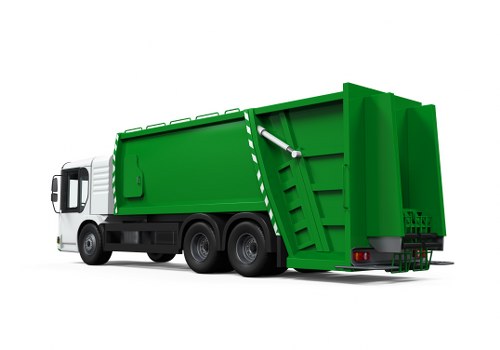
Vehicle safety and traffic management are core elements of the programme. Drivers and vehicle crews will adhere to safe loading limits, secure loads appropriately, and follow planned routes that minimise disruption and risk to other road users. Reversing alarms, banksmen and vehicle-mounted cameras will be used as appropriate. Records of vehicle checks, maintenance and driver qualifications will be maintained to ensure compliance with operational standards.
Hazardous Waste and Environmental Controls
Waste segregation, labeling and disposal will follow legal requirements and best practice. The skip hire operator will ensure that hazardous items are not mixed with general rubbish and will provide guidance on prohibited items. Where hazardous material is discovered unexpectedly, work will stop and a competent person will assess the situation. Environmental controls include spill kits, containment procedures, and measures to prevent pollution of drains and waterways.
 Emergency response procedures are documented and available to all staff. They include immediate actions for injury, fire, chemical spill or other incidents, along with escalation protocols and liaison with emergency services. First aid equipment and trained first aiders are provided in accordance with workforce size and risk profile. All incidents, near misses and dangerous occurrences will be reported, investigated and used to inform corrective actions.
 The organisation commits to continual improvement through audits, performance monitoring and review of health and safety objectives. Regular site inspections and internal audits will measure compliance with the policy. Findings will be communicated to staff and incorporated into action plans. Key performance indicators include reduced accident rates, timely completion of risk assessments, and evidence of competency checks for drivers and operatives.
Roles, Responsibilities and Compliance
Management will provide sufficient resources to meet the obligations of this policy. Senior management is accountable for setting the health and safety culture, while supervisors and team leaders ensure day‑to‑day implementation. Employees are expected to take reasonable care for their own safety and that of others, to use equipment as instructed and to cooperate with safety procedures.
Contractors engaged for specialised services must demonstrate appropriate safety credentials and operate under agreed terms that align with this policy. A checklist of requirements will be used during procurement and onboarding to confirm insurance, training records and safe systems of work. Regular contract reviews will verify ongoing compliance.
Controls and procedures will be kept under review to reflect changes in operations and in relevant legislation. This Health and Safety policy is endorsed by senior management and will be reviewed at least annually or following a significant event. It is published internally to ensure visibility and to promote a shared commitment to safe waste management across skip hire, rubbish removal and related services.
- Key commitments: prevent injury, protect health, comply with legal obligations.
- Operational controls: risk assessment, PPE, training, vehicle safety.
- Environmental stewardship: correct waste segregation, pollution prevention.